The Client Has Evolved: Why Wealth Advisory Stops Short at the Digital Canvas
The profile of the ultra-high-net-worth client is evolving. Today's wealth holders increasingly view traditional and digital assets as part of a single financial ecosystem, and they expect their advisors to do the same.
In this environment, technology alone is no longer a differentiator. Access to digital assets, trading platforms, and custody solutions is becoming commonplace. The real value lies in the quality of advice: the ability to engage clients in informed conversations about the full spectrum of their wealth, regardless of where it sits.
Yet a significant gap remains. Many wealth management institutions continue to approach digital assets primarily as a technical or transactional challenge. As a result, digital holdings are often treated as separate from the broader advisory relationship rather than integrated into it. For clients whose portfolios increasingly span both traditional and digital assets, this fragmentation can create unnecessary complexity and limit the strategic value that advisors provide.
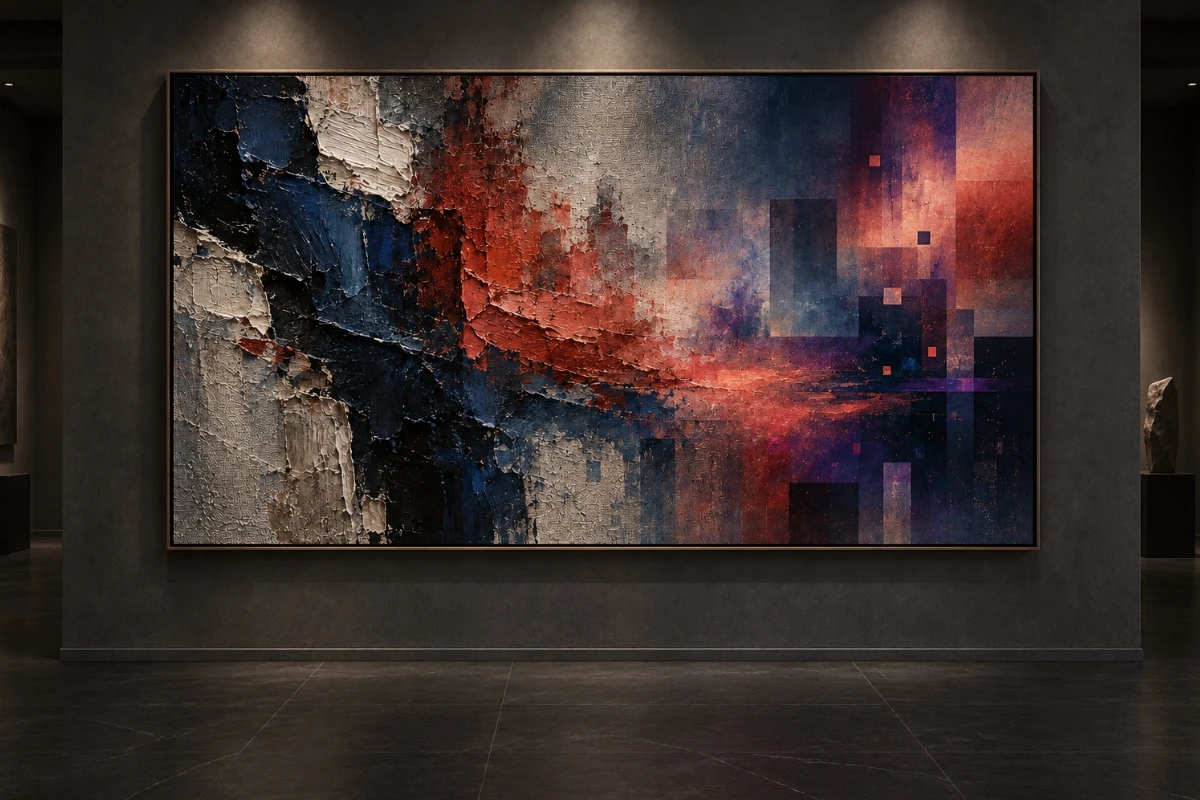
Nowhere is this more apparent than in the rapidly evolving field of digital art.
The Next Frontier of Wealth Advisory
For many years, digital art was viewed as a niche interest, sitting outside the traditional domains of wealth management. That perception is changing.
Throughout history, art has reflected technological and societal change. From the introduction of new artistic mediums to the rise of photography and digital creation tools, innovation has consistently reshaped how art is produced, collected, and valued. Today, blockchain technology is creating a new framework for ownership by providing verifiable provenance, scarcity, and transaction histories for digital works.
At the same time, a new generation of collectors is entering the market. Research from the Art Basel and UBS Survey of Global Collecting 2025 points to a significant shift in collecting behaviour, particularly among younger high-net-worth individuals. The survey found that digital art now ranks third in spending among collectors, behind paintings and sculptures, and that more than half of respondents had purchased a digital artwork.
Broader academic research also highlights how blockchain, artificial intelligence, and digital technologies are reshaping the art market, transforming how art is created, traded, and experienced across both public institutions and commercial channels (Şengünalp & Küçükosman, 2025).
Institutional recognition has followed. In 2025, major museums including the Museum of Modern Art (MoMA), the Whitney Museum of American Art, and the Centre Pompidou expanded their engagement with digital art through acquisitions and commissions. From blockchain-based works and generative art to AI-driven practices, these initiatives reflect a growing recognition that digital art has become an established part of the contemporary cultural landscape.
Yet despite this evolution, conversations about digital art remain largely absent from traditional wealth advisory services. This matters beyond the art market itself. Digital art is becoming a test case for whether wealth managers can extend their traditional role as trusted advisors into digitally native forms of wealth.
Three Areas Where Advisory Must Evolve
To serve clients effectively, wealth managers need to develop expertise in three key areas.
Valuation and Liquidity: Digital art presents new challenges for valuation, collateralisation, and liquidity planning. As digital collections grow in significance, clients increasingly seek guidance on how these assets fit within their broader financial strategies.
Integrated Custody: Clients do not think in silos. They expect a consolidated view of their wealth, whether it consists of equities, real estate, private investments, or digital assets. The ability to securely hold and oversee diverse asset classes within a coherent framework is becoming increasingly important. For digital art, secure custody is only one component. Provenance, transaction governance, reporting, compliance and the ability to integrate digital holdings into an overall view of family wealth are equally important.
Legacy and Succession Planning: Perhaps the most significant challenge is generational transfer. Private banking has long helped families structure and transfer wealth across generations. Digital assets introduce additional considerations: legal ownership and technical control may not always be identical; access may depend on wallets, private keys or other credentials; and preserving a digital work can require both technological and governance arrangements. Advisors therefore need to consider not only who inherits an asset, but how ownership, access and stewardship can effectively pass to the next generation.
Preserving Relevance in a Changing Landscape
The role of private banking has never been simply to safeguard assets. It has been to help clients preserve, structure, and transfer wealth in ways that reflect their values, ambitions, and legacy.
Digital art should be viewed through that same lens.
The objective is not to encourage speculation or chase emerging trends. Rather, it is to develop the expertise required to help clients navigate an evolving asset landscape with confidence. This includes understanding how digital assets are created, owned, valued, secured, and ultimately transferred.
Private banks possess enduring strengths: trust, discretion, risk management, and close client relationships. By combining these foundations with a deeper understanding of digital culture and emerging forms of ownership, the industry can remain relevant to the next generation of wealth holders while continuing to fulfil its core purpose.
The future of wealth advisory will not be defined by whether assets are physical or digital. It will be defined by the ability to provide thoughtful, integrated advice across both worlds.
References
Art Basel & UBS. (2025). The Art Basel and UBS Survey of Global Collecting 2025. Available at: artbasel.com/stories/the-art-basel-and-ubs-survey-of-global-collecting-2025
Jebb, L. (2025). Digital Art Acquisitions in 2025: MoMA, the Whitney, and Centre Pompidou among institutions acquiring and commissioning works. Right Click Save. Available at: rightclicksave.com/article/digital-art-acquisitions-in-2025-moma-whitney-centre-pompidou
Şengünalp, C., & Küçükosman, A. (2025). Digital Transformation and the Art Market: Exploring the Role of Blockchain, AI, and Globalization in Museum and Market Practices. ERPH Electronic Journal of Historical Heritage, 36, 23–53. doi.org/10.30827/erph.36.2025.32974
About the Author
Article authored by Rani Jabban, Deputy CEO, Arab Bank Switzerland
- Digital Art
- Wealth Management
Recommended
-
- Wealth Management
- UHNWIs
The Rising Imperative for Bespoke Crypto Services in Private Wealth Management
December 18, 2025
